Asbestos Ceiling Removal Timing Guide
Perform asbestos ceiling removals during stable indoor conditions to minimize dust dispersion and ensure safety.
Schedule removals when occupancy is low or during planned renovations to reduce disruption and exposure risk.
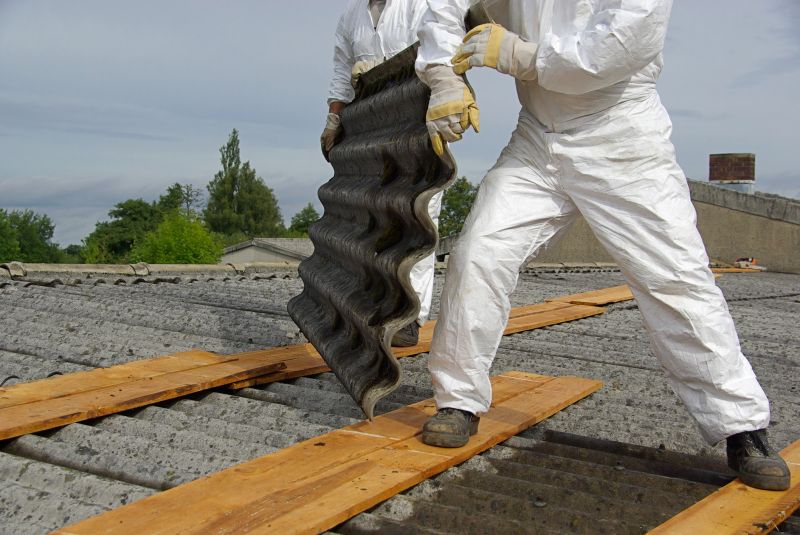
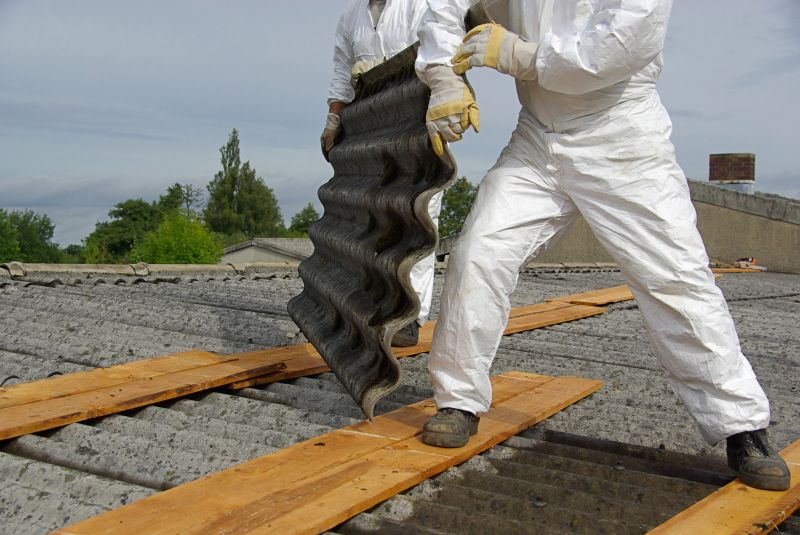
Avoid outdoor or exposed work during extreme weather to prevent contamination spread and maintain worker safety.
Ways to make Asbestos Ceiling Removals work in tight or awkward layouts.
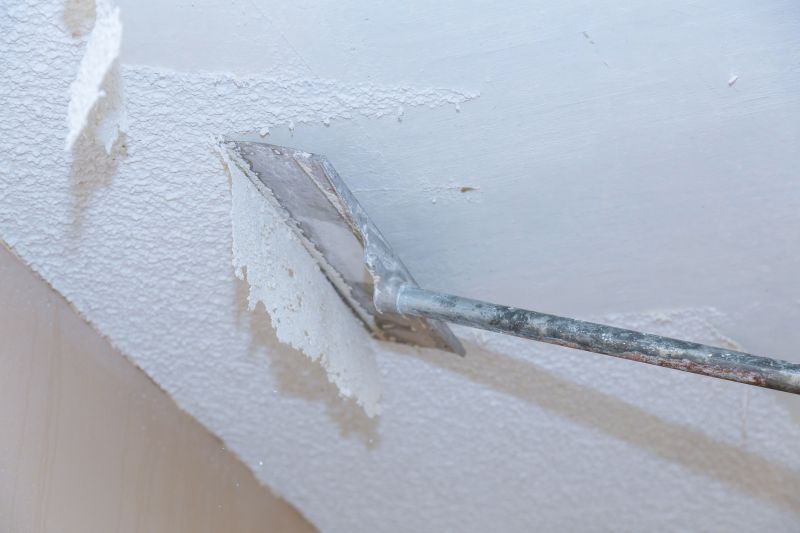
Popular materials for Asbestos Ceiling Removals and why they hold up over time.
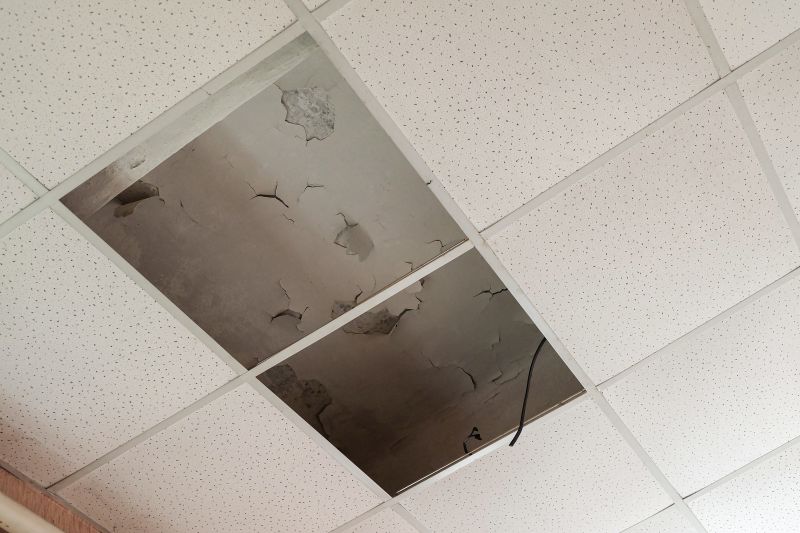
Simple add-ons that improve Asbestos Ceiling Removals without blowing the budget.
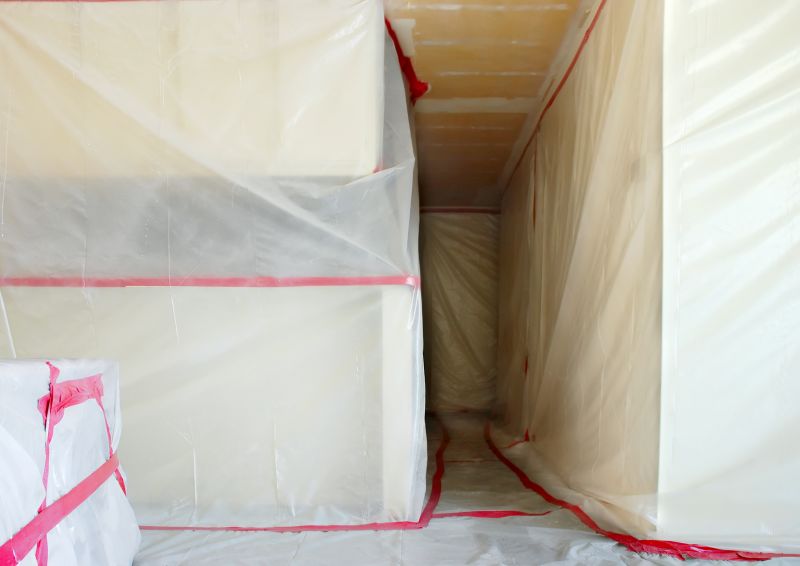
High-end options that actually feel worth it for Asbestos Ceiling Removals.
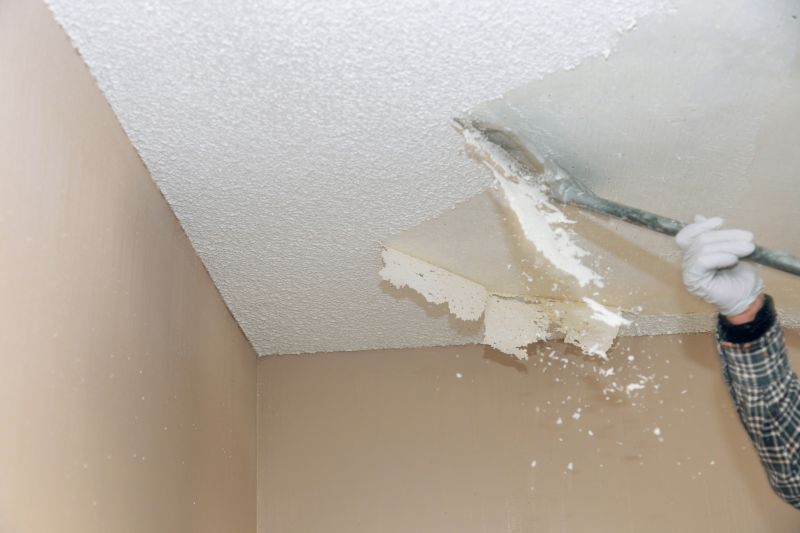
Finishes and colors that play nicely with Asbestos Ceiling Removals.
Asbestos ceiling removals are a critical process in maintaining indoor air quality and safety. Asbestos was commonly used in ceiling materials due to its fire-resistant properties, but its health risks have led to widespread removal efforts. The timing of these removals is essential to ensure safety, minimize exposure, and optimize project efficiency.
Choosing the right time for asbestos ceiling removal helps control dust, reduce health risks, and coordinate with other renovation activities.
Removals should be scheduled when building occupancy is low, and proper containment measures are in place to protect occupants and workers.
Timing must align with local regulations and standards for asbestos removal to ensure legal compliance.
Scheduling during favorable conditions can reduce project duration and costs associated with delays or weather-related issues.
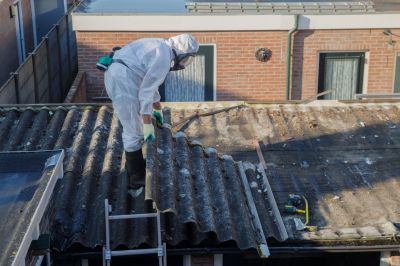
Workers carefully remove ceiling materials using specialized equipment to contain asbestos fibers.
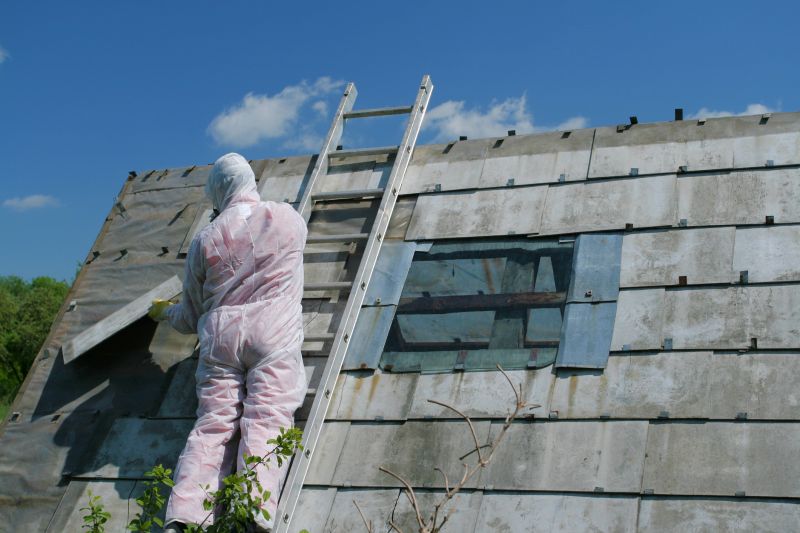
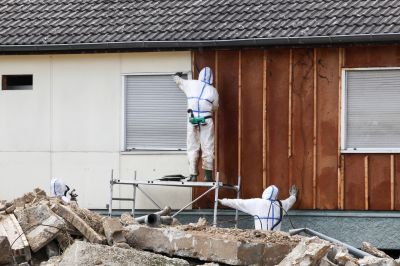
Use of PPE and containment barriers is essential during removal to prevent fiber dispersion.
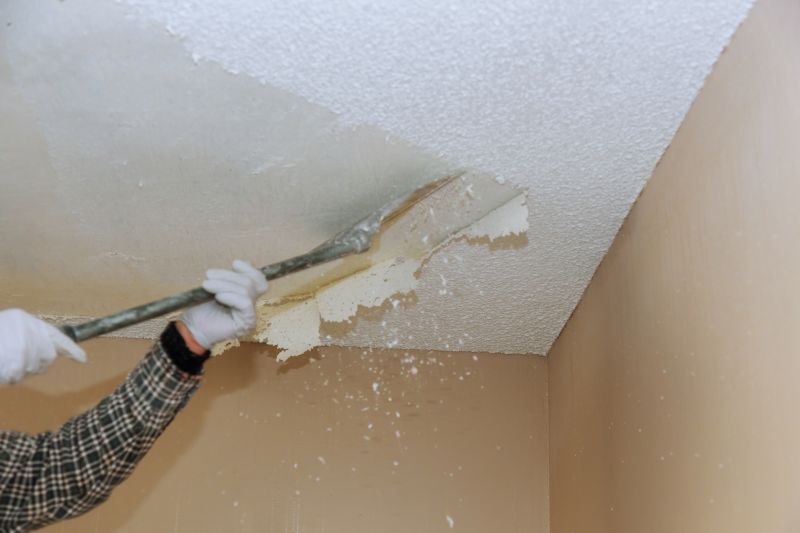
Proper disposal of asbestos materials follows strict regulatory guidelines to prevent environmental contamination.
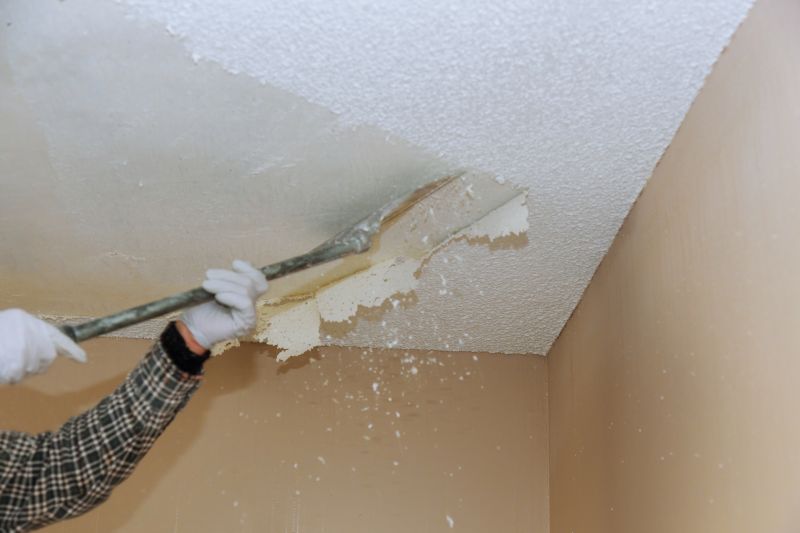
Air quality tests confirm the removal process has been completed safely and thoroughly.
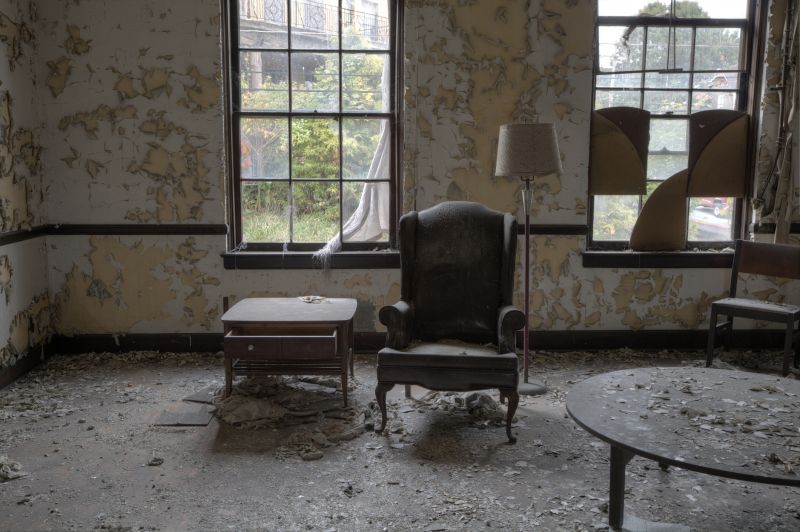
Following removal, ceilings can be renovated or repainted to restore aesthetics.
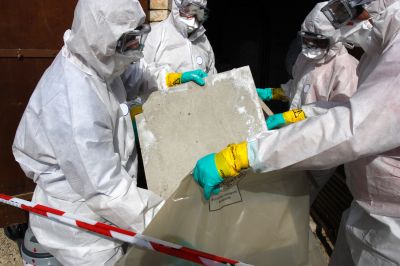
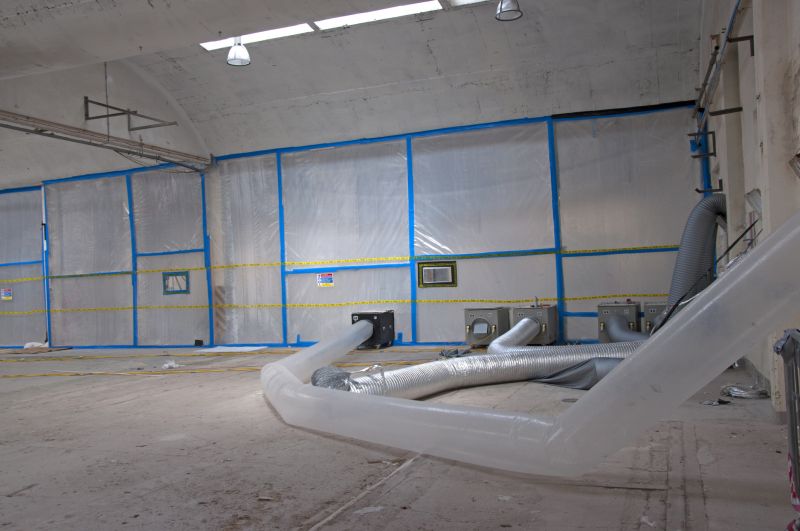
HEPA vacuums and sealed containment areas are used to control asbestos fibers during removal.
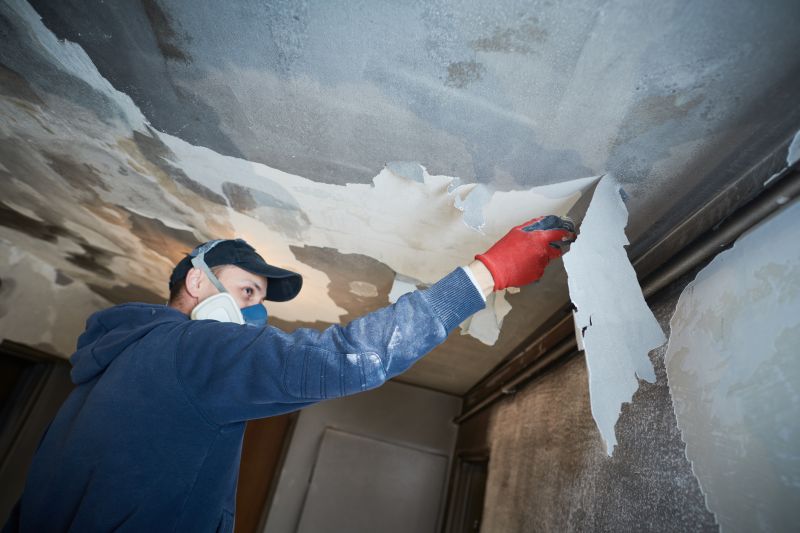
Personnel involved in removal are trained in asbestos handling and safety protocols.
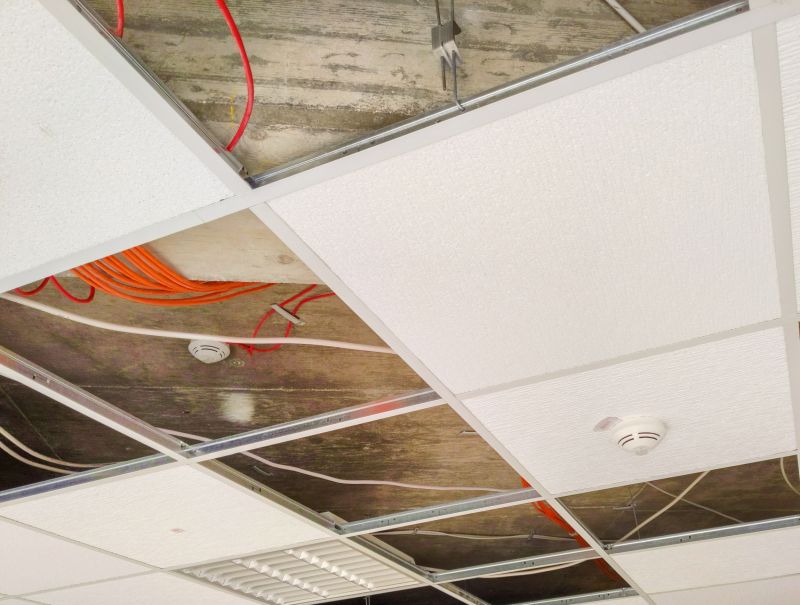
Effective planning ensures removal fits within scheduled renovation windows.
| Factor | Recommended Timing |
|---|---|
| Occupancy Levels | Schedule during low occupancy periods |
| Weather Conditions | Avoid during high humidity or rain |
| Renovation Schedule | Coordinate with other renovation activities |
| Regulatory Deadlines | Align with compliance requirements |
| Indoor Air Quality | Perform when air quality can be controlled |
Understanding the optimal timing for asbestos ceiling removals helps ensure a safer, more efficient process. Proper scheduling minimizes health risks, reduces project delays, and ensures compliance with safety standards. Consulting with professionals can assist in identifying the best window for these activities based on specific building conditions and regulatory requirements.
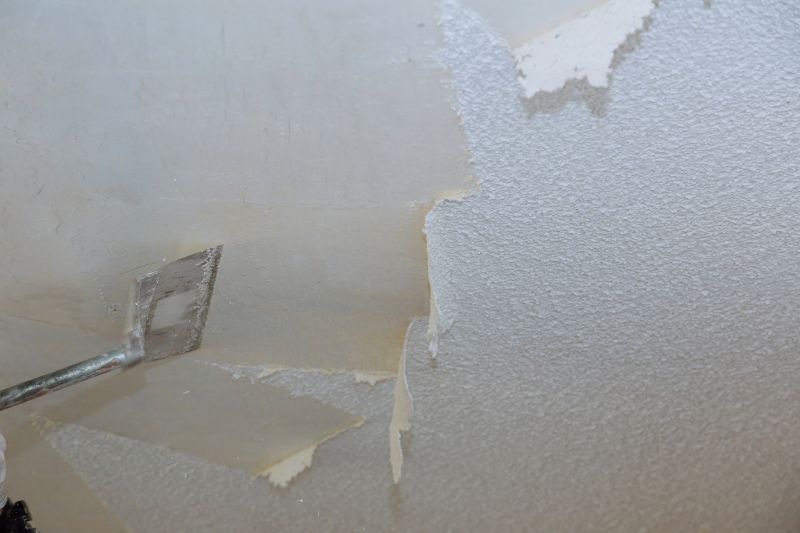
Specialized tools and containment units are used to safely remove asbestos ceilings.
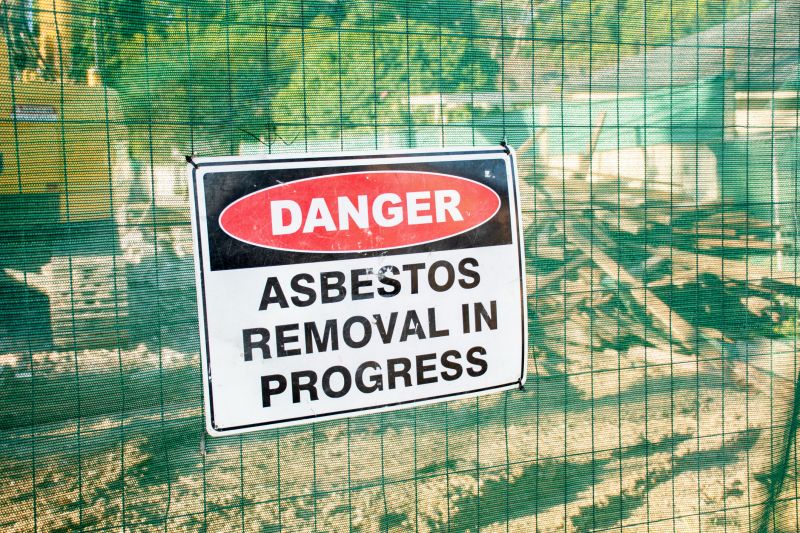
Sealed barriers prevent asbestos fibers from spreading during removal.
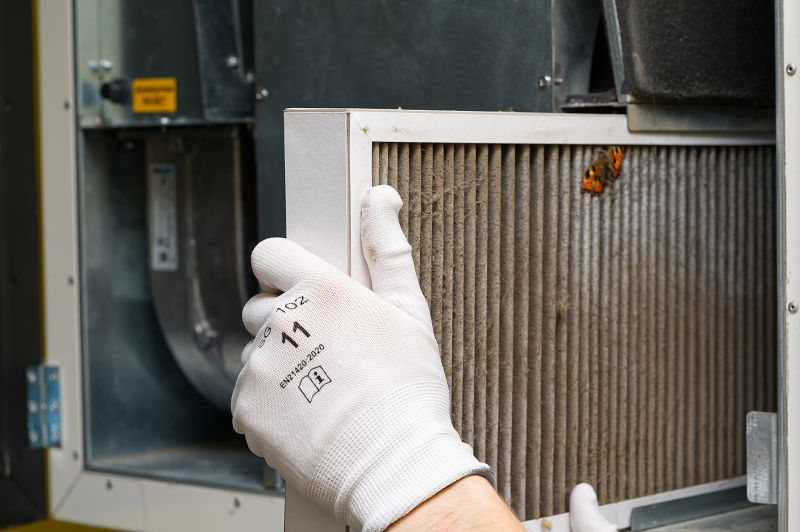
HEPA filters are employed to maintain air purity during and after removal.
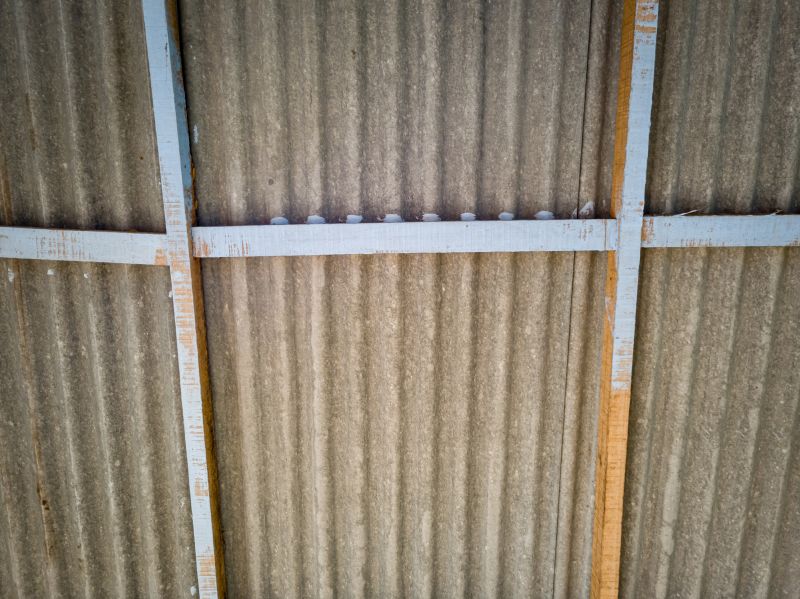
Thorough cleaning ensures no asbestos fibers remain in the environment.
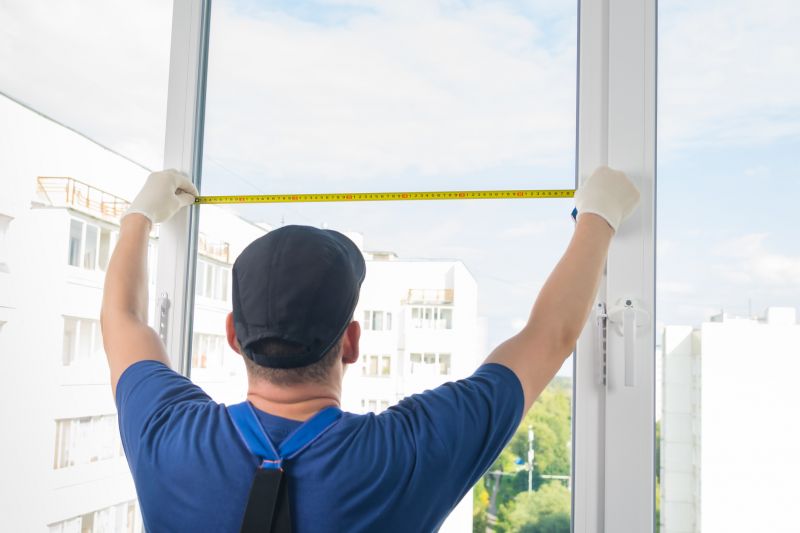
Little measurements that prevent headaches on Asbestos Ceiling Removals day.
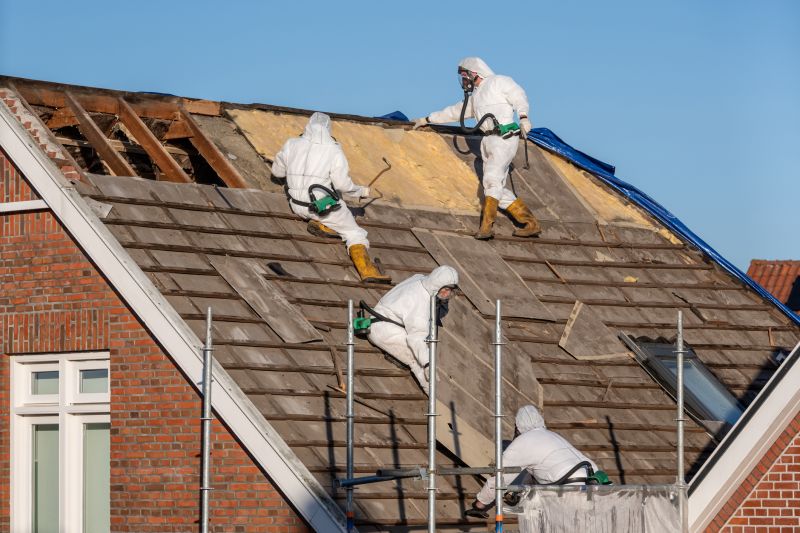
A 60-second routine that keeps Asbestos Ceiling Removals looking new.
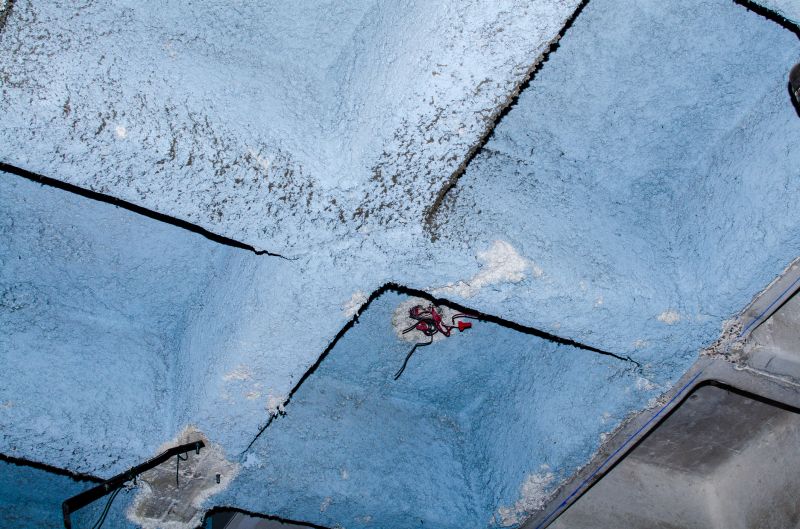
A frequent mistake in Asbestos Ceiling Removals and how to dodge it.

Small tweaks to make Asbestos Ceiling Removals safer and easier to use.
Interested parties should consider scheduling asbestos ceiling removals with experienced professionals to ensure safety and compliance. Proper timing, preparation, and execution are vital components of successful removal projects. Filling out the contact form can provide more information and assistance tailored to specific needs.